Why “Just Start With Any Exercise” Doesn’t Work in Autism Fitness Programming
“Just start with any exercise.” It sounds like an inviting, low-pressure way to introduce someone to movement. But when it …
“Just start with any exercise.” It sounds like an inviting, low-pressure way to introduce someone to movement. But when it …
“They’re strong enough already.” “I don’t want him to get too strong…” “What about cardio and stretching?” These are just …
Motivation gets an athlete starting the exercise. Behavioral momentum is what keeps them coming back — session after session, rep …
One of the questions I get asked most often by coaches working with autism and neurodivergent athletes is deceptively simple: …
Do falls and the affects of aging concern you? For many neurotypical individuals, falls and muscular degeneration as we age …
Do you notice that many individuals with autism and related neurodivergencies have difficulty with certain movement patterns and exercises? They …
What do you expect from your autism and neurodivergent athletes when they walk (run, or skip🏃♂️) into their session? Does …
One of the “secrets” (it’s not a secret, but we’ll call it that🤨) of strength training and general (well-programed) fitness …
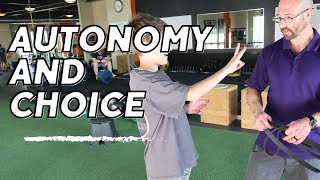
Optimizing Fitness Programs for the Autism and Neurodivergent Population “Do you want to start with the hurdle steps or overhead …
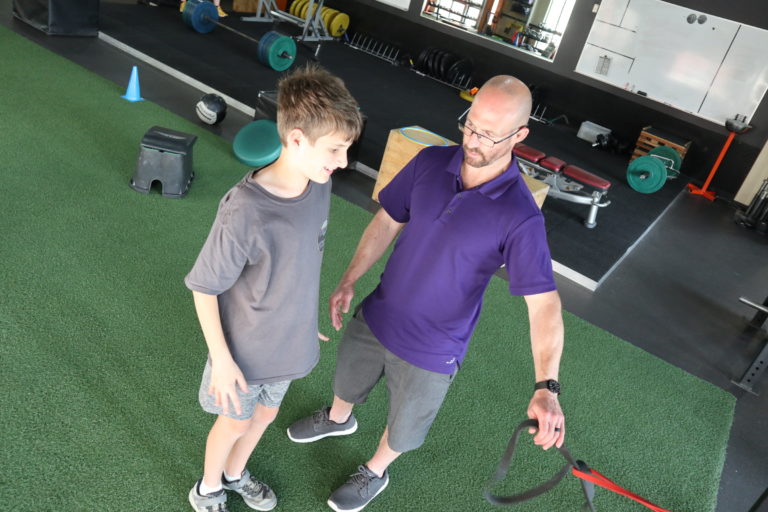
Are all your autism and/or neurodivergent athletes motivated all the time? Likely not. “my son/daughter/students/clients aren’t motivated to exercise” is …