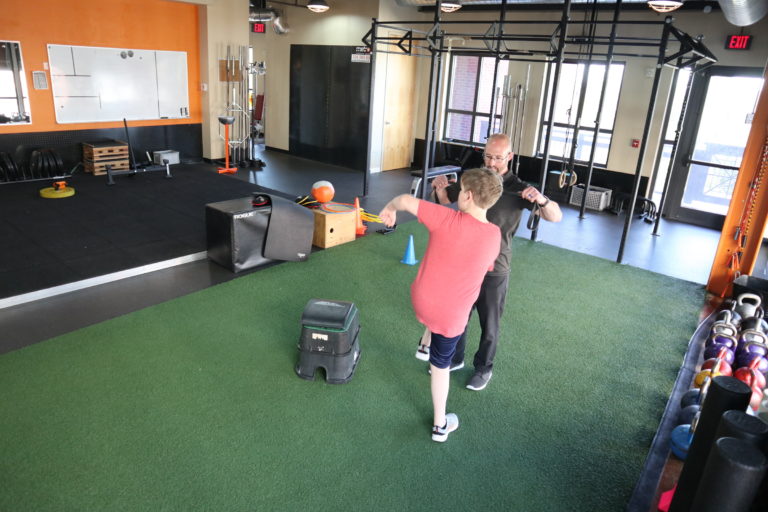
Motivation, Expectations, and Exercise for the Autism Population; 3 Great Strategies
What do you expect from your autism and neurodivergent athletes when they walk (run, or skip🏃♂️) into their session? Does …
What do you expect from your autism and neurodivergent athletes when they walk (run, or skip🏃♂️) into their session? Does …
Fitness for the autism and neurodivergent population is often categorized as “recreational,” but is this accurate? It may seem a …
One of the “secrets” (it’s not a secret, but we’ll call it that🤨) of strength training and general (well-programed) fitness …
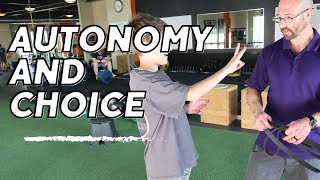
Optimizing Fitness Programs for the Autism and Neurodivergent Population “Do you want to start with the hurdle steps or overhead …
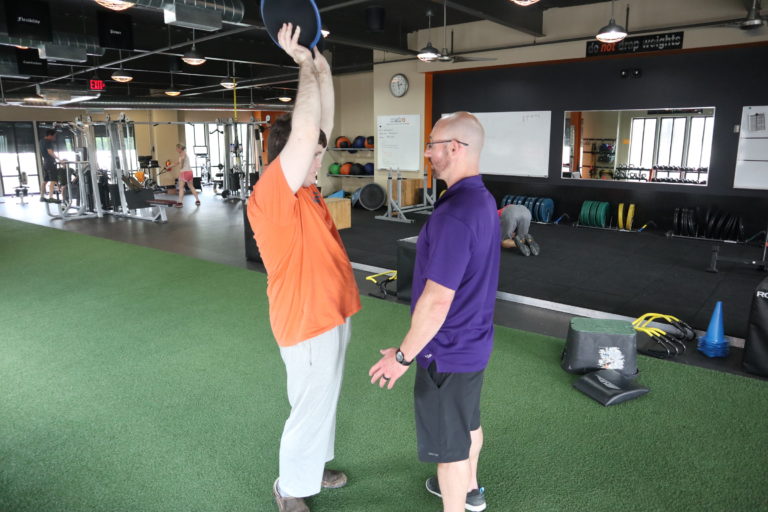
The Necessity of Fitness as Preventative Healthcare for Adults with Autism Do falls and the affects of aging concern you? …
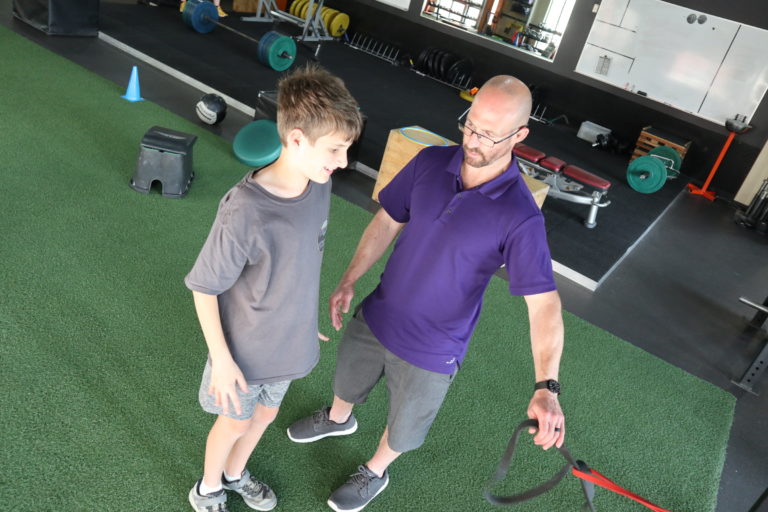
The Role of Sensory Gyms and Fitness Training for Individuals with Autism The Sensory Gym When asking “Is a sensory …
The Practical Aspects of Gross Motor Function in Autism If you’ve worked with the Autism/Neurodivergent population for more than a …
Are all your autism and/or neurodivergent athletes motivated all the time? Likely not. “my son/daughter/students/clients aren’t motivated to exercise” is …
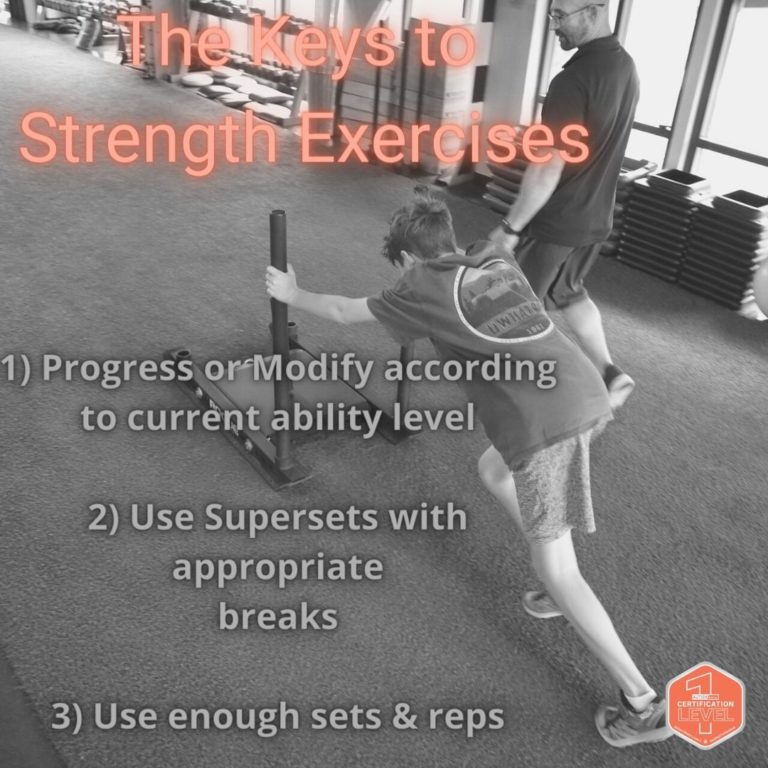
The best way to counteract and even prevent movement dysfunction for the ASD and neurodiverse population is through fitness and strengthening programs that meet their physical, adaptive, and cognitive needs. While there are multiple aspects of physical ability; endurance, flexibility, mobility, coordination, the hub by which all operate is strength.